Agricultural Land Investment in Cameroon: Opportunities and Risks
Agricultural land investment in Cameroon didn’t explode overnight. It crept in quietly. I noticed it first around 2018 - foreign investors asking fewer questions about apartments and more about soil, rainfall patterns, and access roads. Strange at the time. Obvious now. 23 million hectares of arable and cultivable land - that’s the base of the conversation. Yet ask a farmer in the Centre region how much of that land is fully optimized, and they’ll laugh gently before telling you the truth: “Not even close.”
That gap between what the land is capable of and what’s currently produced is why Real estate Cameroon conversations increasingly include farmland, not just residential plots.
Overview of Agricultural Land Investment in Cameroon
Agriculture remains Cameroon’s quiet engine. Agricultural land investment in Cameroon didn’t explode overnight. It crept in quietly. I noticed it first around 2018 - foreign investors asking fewer questions about apartments and more about soil, rainfall patterns, and access roads. Strange at the time. Obvious now.
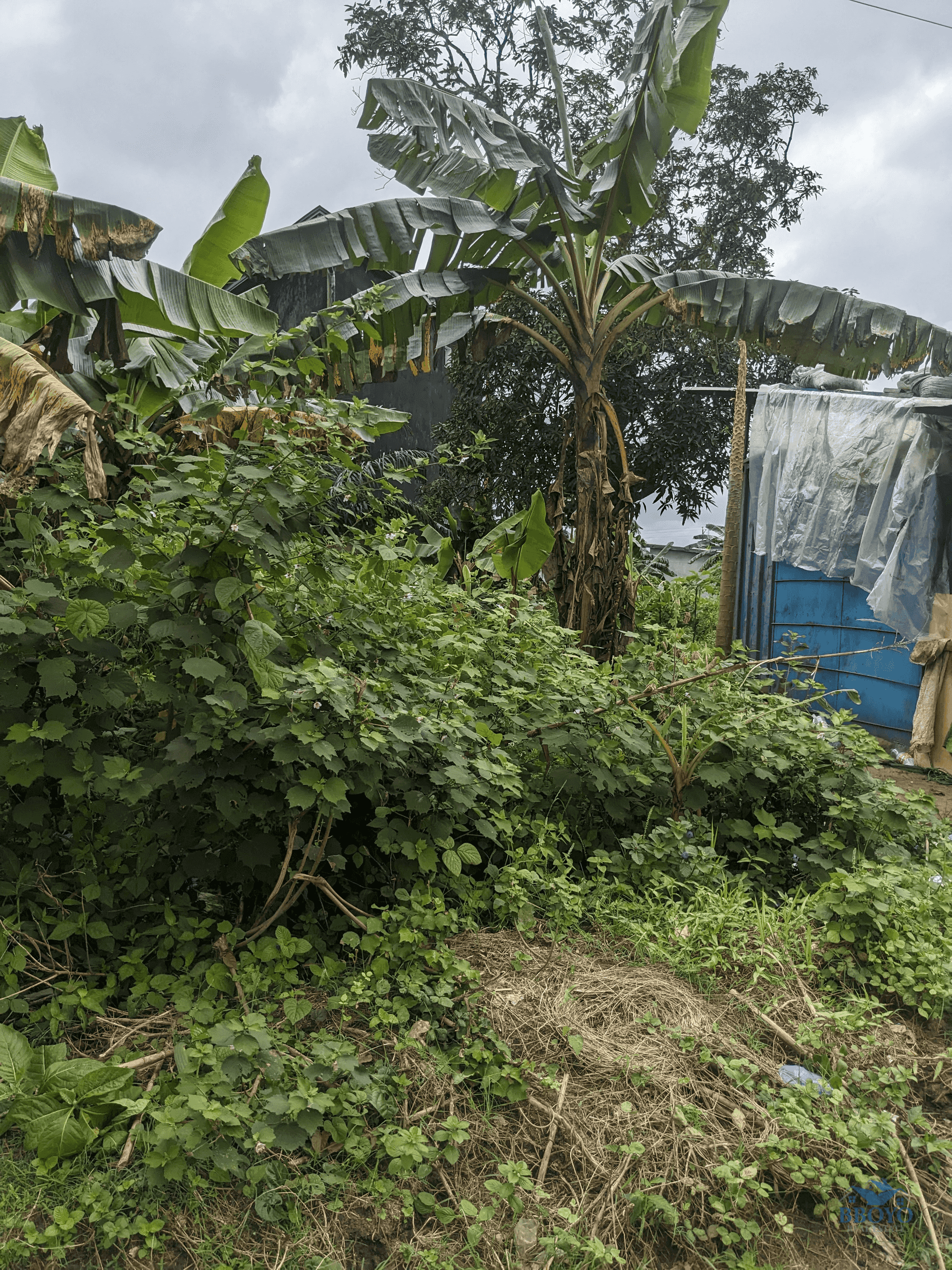
Cameroon sits on something most countries don’t manage to combine well: fertile ground, multiple climate zones, and underpriced Cameroon rural land. That mix changes behavior. It pulls capital toward production instead of speculation. For investors who understand the long view, investing in farmland in Cameroon isn’t romantic. It’s pragmatic.
Why Investing in Agricultural Land Is Gaining Popularity
There’s a psychological shift happening. Urban investors who once swore by apartments now compare the price of farmland for sale Cameroon and realise the returns can be both financial and tangible. With global food insecurity climbing, land that can grow maize, cocoa, vegetables, or coffee feels more stable than volatile asset classes.
And then there’s emotion. People trust land that feeds families. They trust seeing cassava sprouting instead of waiting for stock charts to turn green.
International market forces reinforce this trend. Demand for sustainable cocoa in the EU, specialty coffee buyers scouting Africa, and regional food shortages all point people toward investing in farmland in Cameroon - not out of speculation, but out of strategic common sense.
Key Opportunities in Cameroon’s Agricultural Sector
The Cameroon farming sector isn’t one market. It’s dozens of overlapping systems. Some work well. Some don’t. Knowing the difference matters.
We’ve seen strong interest around farmland for sale in Cameroon in regions close to Douala’s supply routes and in agricultural basins where cooperatives already exist. That last part matters more than most people realize. Infrastructure follows collaboration, not ownership.
Programs supporting agricultural development in Cameroon have helped - but only where local execution matches policy intent. That mismatch trips people up.
These are the Cameroon agriculture opportunities most investors overlook: logistics improvements that shorten the distance between harvest and profit.
High-Value Crops and Farming Prospects for Investors
Let’s talk crops - the real drivers behind land appreciation and productivity.
Cocoa anchors the sector. Cameroon is the 5th largest producer globally, earning 50 - 60% of agricultural export revenue. Sustainability-linked premiums are now common. Yes, cocoa takes 2 - 3 years before meaningful harvests, and prices can swing 20 - 30%, but when you blend it with shade trees or bananas, the cash flow stabilizes.
Coffee is resurging, especially in altitude zones like Oku, Boyo, and Noun. Specialty markets love Cameroonian beans when processed well.
Palm oil still dominates domestic demand. The target of 20,500 tons of additional output by 2026 means processors are hungry for supply.
Then there’s the new wave of high-value crops Cameroon investors are quietly leaning into: chilies, lemongrass, ginger, tomatoes, leafy vegetables. Fast cycles. Strong margins. Less capital-intensive.
Smart investors pair a long-cycle crop like cocoa with short-cycle vegetables for income balance.
How to Safely Verify Land Ownership in Cameroon
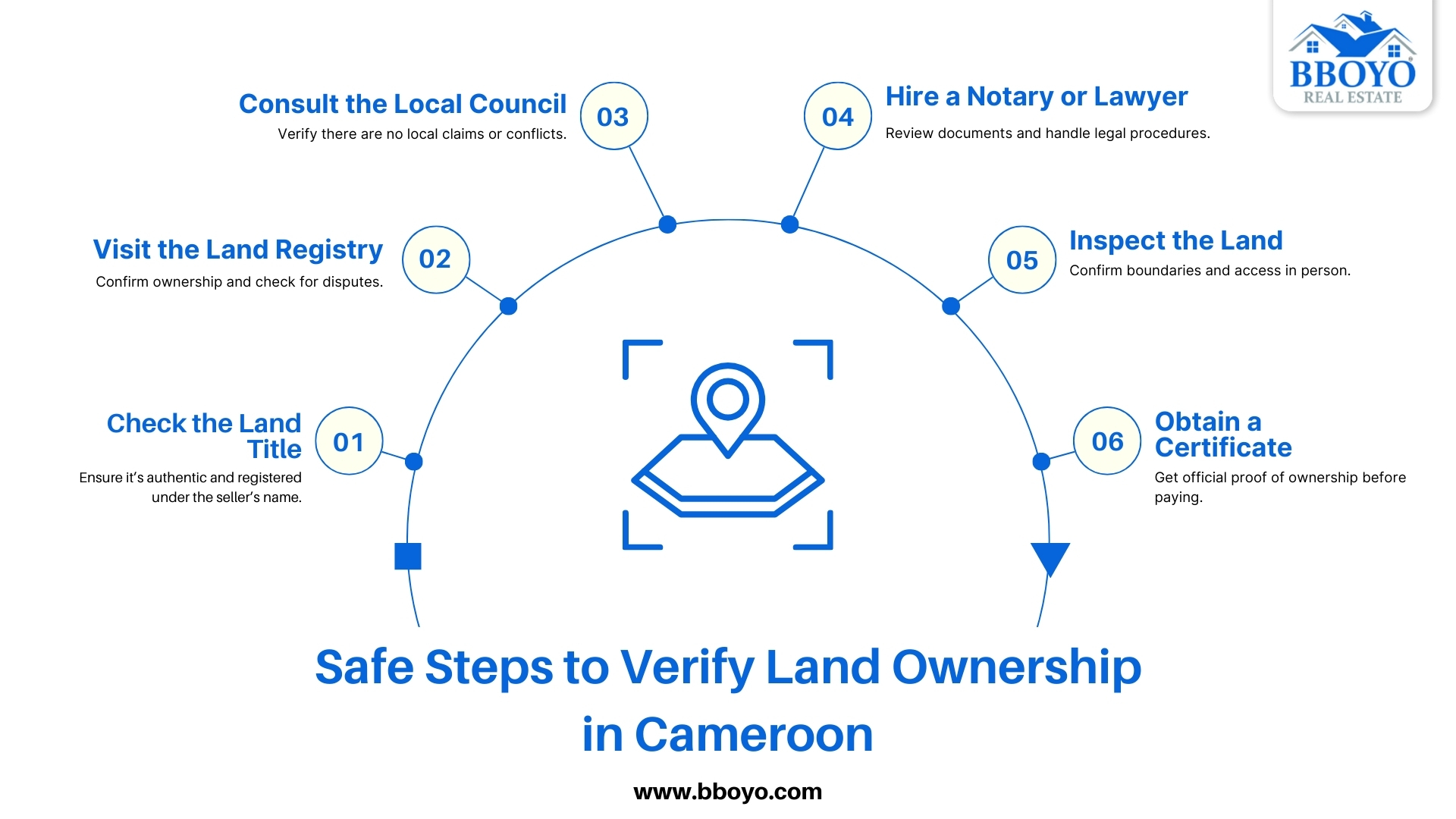
Understanding Land Ownership and Legal Requirements in Cameroon
Land ownership in Cameroon can be straightforward or chaotic - depending on how you enter the process. The country operates with dual systems: statutory (formal land titles) and customary (traditional community control). Law No. 80-21 anchors the modern tenure system, while OHADA regulations guide foreign investor structures.
Foreigners can own land through joint ventures, locally registered companies, or long-term leases. But this isn’t a rush. Registration takes time - often 6 - 12 months in real conditions.
Red flags? Plots near strategic installations, areas with overlapping customary claims, or farmland without prior boundary demarcation. Cheap plots with unclear lineage cost more in court fees later.
This is where BBOYO quietly shines - validating tenure and soil quality before money leaves your account.
Potential Risks and Challenges of Agricultural Land Investment
Let’s be honest.
Agricultural land risks extend far beyond paperwork. Roads wash out. Labor disappears during peak season. Rain arrives late. Or early. Or not at all. Infrastructure promises lag reality by years.
The biggest risk? Assuming land behaves passively. It doesn’t. It demands management. Attention. Adaptation.
Skip those, and losses compound quietly.
Market volatility adds another layer - sudden shifts in cocoa prices, FCFA exposure, and export duty adjustments. And pests don’t read your business plan; they arrive whether you’re prepared or not.
But these agricultural land risks are manageable with diversification, staggered planting cycles, and proper soil conditioning.
Government Policies and Incentives for Agricultural Investors
If there was ever a time to step in, it’s now. Cameroon currently offers one of its most favourable agricultural incentive windows.
During the investment phase:
• VAT exemptions on fertilizers and pesticides
• Wage tax waivers for seasonal workers
• Registration fee exemptions
During operations:
• 50% corporate tax reduction for 5 years
• 5% customs duty on approved agricultural equipment
• Dividend distribution tax relief
Add the $60 million CAFI fund, TAAT seed improvement programs, and central bank agricultural financing channels - and government incentives for agriculture in Cameroon become a strategic advantage, not a footnote.
These windows don’t stay open forever.
How to Evaluate Agricultural Land Before Investing
Proper farmland evaluation in Cameroon starts before site visits. Soil tests. Water sources. Zoning classifications. Historical use. I always check how the land behaved five years ago. Then ten. Why? Because land remembers misuse. And it charges interest.
Evaluation costs money. Not evaluating costs more. Water access is next. Only 0.3% of farmland has irrigation equipment, meaning plots near streams or rivers have a higher value.
Ask for past crop records. Visit after heavy rainfall to see drainage. Check proximity to deforested zones. Assess distance to markets and extension services. A soil test costs little but protects your entire investment.
Financing Options and Investment Strategies for Farmland
Farm financing in Cameroon doesn’t need to be complicated. Options include Advans agricultural loans, IFAD programs, commercial bank credit lines, and cooperative cost-sharing models.
Blended strategies - using personal funds for land acquisition, loans for equipment, and incentives to offset taxes - create balanced portfolios.
Foreign investors often hedge FCFA exposure by phasing purchases instead of buying all at once. Ask yourself - can this investment survive a bad year? Two?
Tips for Maximizing Returns on Agricultural Land Investments
Your best farmland investment tips? Diversify. Pair crops. Adopt technology slowly but intentionally - solar irrigation, good nursery stock, precision fertilizer tools. Integrate part of the supply chain by adding drying sheds, small milling units, or storage.
Start with a pilot. Expand only when the system works. And remember: rural land appreciates too - 8 - 15% annually in growth corridors where infrastructure is improving. Real estate Cameroon investors who diversify into Cameroon rural land often find that it balances their portfolio better than city-only properties.
BBOYO fits naturally into this journey - evaluating soil, validating tenure, and helping structure deals that protect your capital.