Land vs. House for Sale in Cameroon: Which Should You Invest In?

If you’re considering purchasing a Property For Sale In Cameroon, chances are you are grappling with one major question: Should I purchase land or a house? This is a hopeful decision, but it is also filled with uncertainty, and even more uncertainty with all the chaos in the Cameroon property market.
You may have heard stories of people who bought land and waited years to build… or others who rushed into buying a house and discovered hidden repair costs. There’s fear of scams, stress over land titles, and pressure to “act fast” before prices rise. So let’s slow it down and walk you through it clearly, practically, and based on how the real estate game really works in Cameroon.
Advantages of Investing in Land
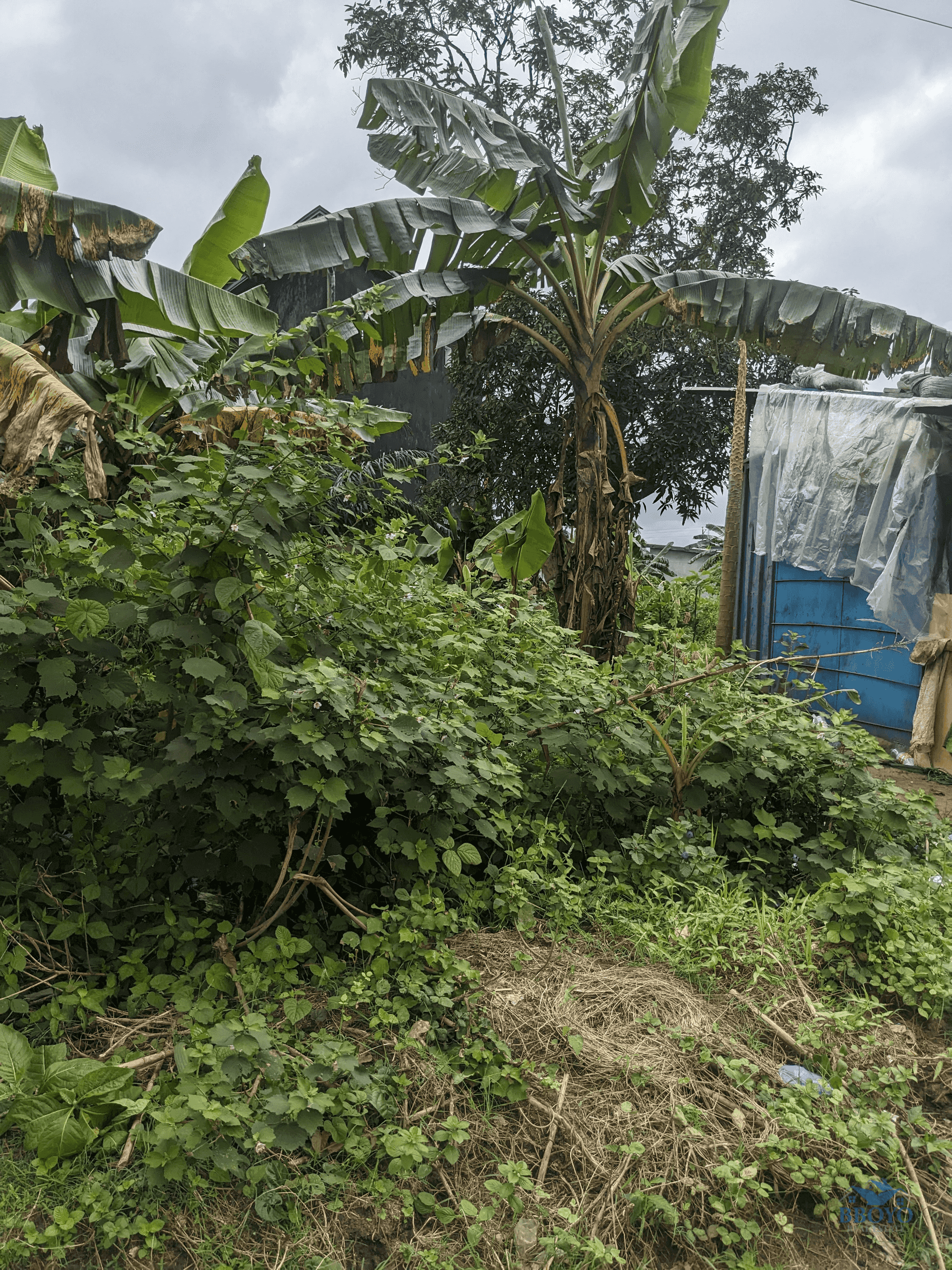
Land in Cameroon is not just a mere piece of land; it stands for opportunity. And, for many first-time buyers or diaspora investors, it represents some flexibility and appreciation in value.
-
Lower upfront costs:
Compared to a house, land for sale Cameroon is generally less expensive. This is a great prospect for those who work under a smaller budget or desire to build bit by bit.
-
Less upkeep:
You won't have to worry about repairs or tenants anytime soon; this is perfect for anyone who isn't ready to manage property yet.
-
Long-term appreciation:
In places like the outskirts of Douala or Buea and the North-West influence, prices tend to steadily progress with the development of roads and amenities. So it's a patient game, investing in land in Cameroon.
-
Room for self-customisation:
When you're ready, you will design your dream home or structure; you don't need to compromise on someone else's choices.
Disadvantages of Investing in Land
But land isn’t for everyone, and it comes with its fair share of challenges.
-
No immediate returns: Land doesn’t generate rental income unless developed. If you’re hoping for quick cash flow, this may not be the right choice.
-
Documentation risks: Land scams, fake papers, or disputed ownership remain real concerns. Navigating customary vs. registered land can be confusing without guidance.
-
Cost of Development: Purchasing land is just step one. You will have to plan for building, fencing, access roads, and maybe utility connections.
If you are engaging in rural development, always ask. What can I do to put this land into a decent, liveable, or rentable condition in 2-3 years?
These are the pros and cons of buying land in Cameroon that every investor must weigh carefully before making a decision.
Benefits of Investing in a House
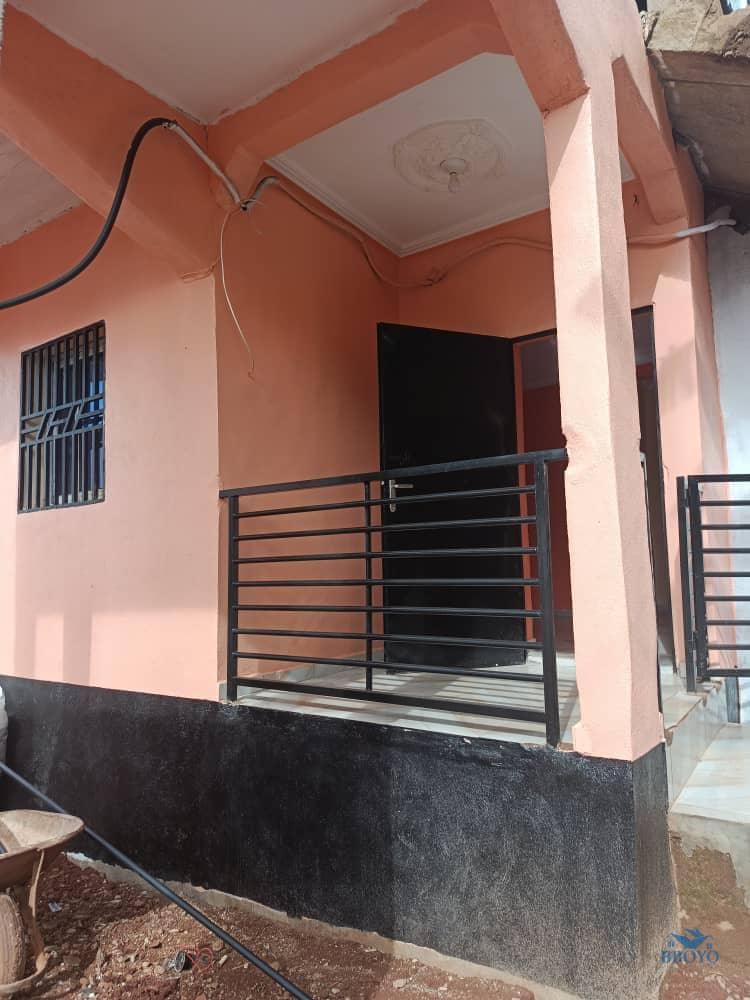
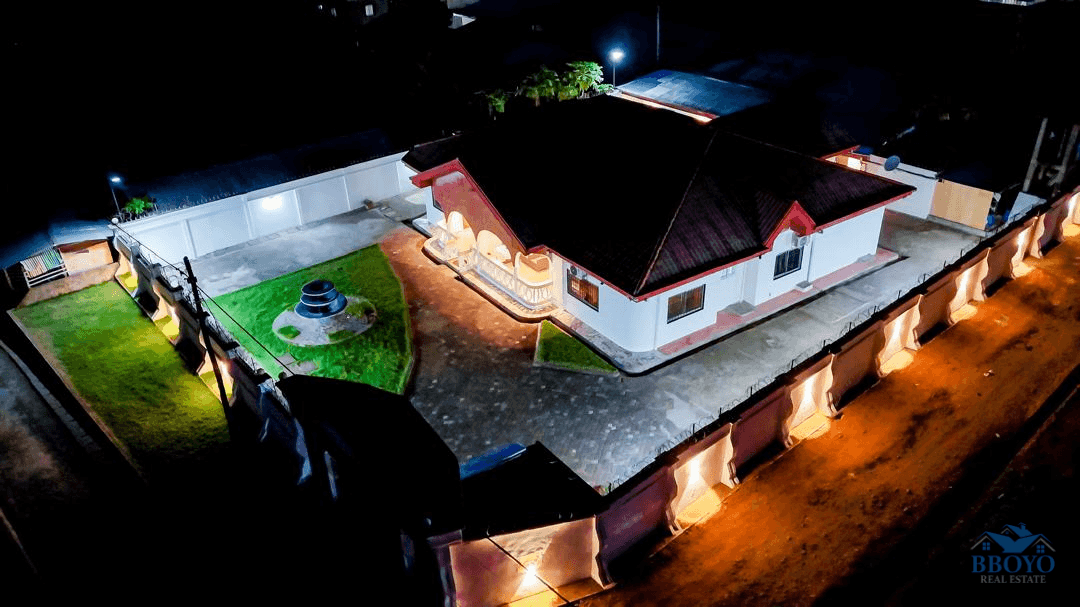
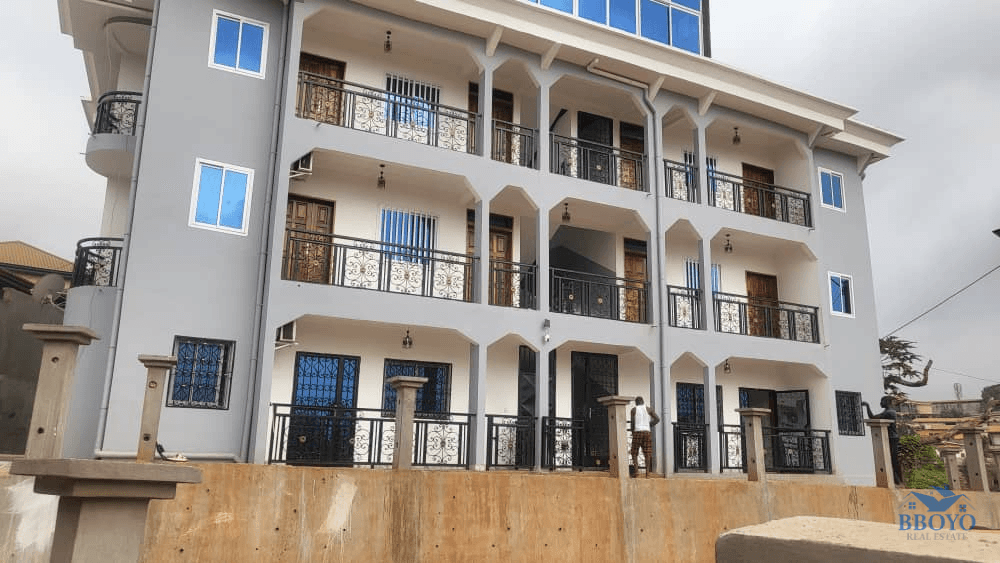
Buying a house for sale Cameroon provides you with something tangible, useful, and often rentable immediately.
-
Ready to go:
You could live in it, rent it, or even resell it without any consideration of a lengthy development period.
-
Continuous rental income:
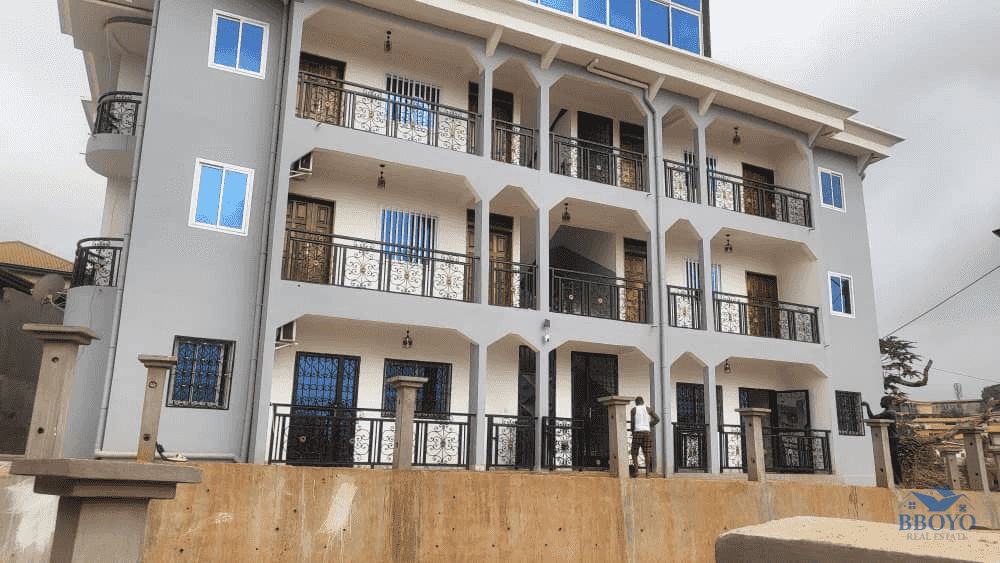
Especially in urban centres like Yaoundé, Douala, or Limbe, there is a steady demand from tenants. This is important as it simplifies the upfront calculation of ROI.
-
Less planning stress:
You have no architectural drawings, and site supervisors are involved in the process. What you see is what you get.
-
Payment plans:
Have a conversation with certain developers or the seller; it's possible that you can arrange an installment plan, especially in new estates and housing cooperatives.
Cons of Investing in a House
That said, houses also come with their own list of cons.
-
Higher purchase price:
A good house in a decent neighborhood normally requires a higher upfront cost, especially in well-placed, high-demand locations.
-
Repairs or maintenance:
Even newer homes need work - plumbing, paint, roofing - when a builder or seller tries to cut corners during their building process.
-
Less flexibility:
Means that what you buy is what you will need to live with. Renovating or changing the layout/structure is often expensive and requires significant time investments.
-
Market saturation:
Some neighborhoods in urban areas are taking longer to resell than other areas, especially property for sale in Cameroon that is not affordable to the average person.
Market Trends: Urban vs. Rural Investment
Understanding real estate trends in Cameroon 2025 is critical to making the best decision.
-
Urban areas:
Douala, Yaoundé, and Bafoussam houses are currently very desirable for income potential, especially when rented as student housing, furnished rentals, or mini-cités. Land in urban places is also valued more, but if it is well located, you can imagine potential long-term as well for building or resale.
-
Semi-urban/rural area:
Tiko, Muyuka, and the outskirts of Bamenda are more inexpensive, land is still available on a larger scale, land can be used for farming, a future housing development opportunity, or "secondary homes".
-
Diaspora hot zones:
Areas around airports, university towns/cities, and economic zones are desirable to many Cameroonians living abroad. They want land now to build later, or homes for their parents later.
Ultimately, when making a decision or choice, ask yourself, "Am I buying to live in it, earn an income from it, or hold it for a future decision?" This clarity will help you choose among the best property investment options in Cameroon, depending on your timeline and goal.
Legal and Documentation Factors
In the Cameroon property market, paperwork can make or break your investment.
-
Land: Always demand a land certificate. If it’s still under customary tenure, get help registering it legally. Avoid verbal agreements or "family land" without formal backing.
-
House: Ensure the seller provides a title deed, property plan, and proof of taxes paid. If buying in a gated estate, confirm building permits and developer credibility.
Pro tip: Always cross-check documents at the local land registry. Use a trusted legal or property advisor, not just a “broker.”
Real Estate Investment Cameroon Goals and ROI
This boils down to why you’re buying.
-
Land = long-term gain. It may take 3-10 years to appreciate or become income-generating.
-
House = short-term cash flow. Rentals can start immediately, especially in high-demand zones.
If your goal is to build gradually for retirement, land may be ideal. If you want income or need housing quickly, a house makes more sense.
The question, “Should I buy land or a house in Cameroon?” really depends on timing, budget, and personal vision.
Expert Tips: How to Decide
Here’s how smart locals and savvy diaspora investors approach it:
-
Start small, grow smart:
Some begin with land in a growing zone while renting elsewhere. Others buy a modest home to live in, then invest in land Cameroon later.
-
Think verified listings only:
Whether it's property for sale in Cameroon or land, only buy from trusted platforms with full documentation. Bboyo, for instance, lists verified properties to cut your risks.
-
Factor in community and access:
Don't just look at the price, check for road access, water, power, and security. That’s what determines real value.
-
Look beyond today:
A dusty road today might be a tarred street in five years. Follow government development plans when choosing a location.
Final Take
There’s no one-size-fits-all answer. If you want flexibility, long-term growth, and lower-cost land is the way to go. If you need fast use, rental income, or peace of mind, a house might be smarter.
When comparing land vs. home investment returns in Cameroon, the gap is closing, but each serves different goals.